Unlocking Creativity with Watercolor Octopus Sublimation Art
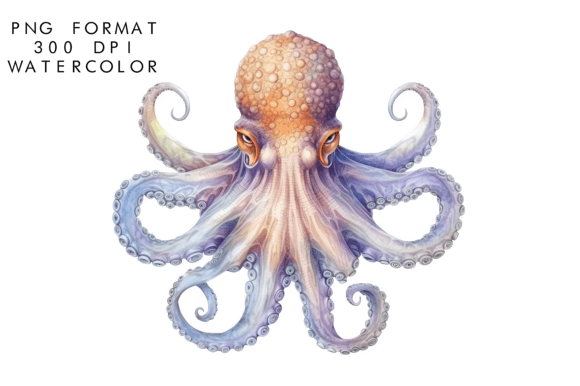
The intersection of digital precision and organic artistry creates a unique space in modern design, particularly when we look at assets like the Watercolor Octopus Sublimation file. For designers, entrepreneurs, and content creators, finding high-quality assets that bridge the gap between professional utility and artistic flair is essential. This specific design isn't just a generic clipart; it is a high-resolution, 300 DPI illustration that captures the fluid, unpredictable nature of watercolor while maintaining the sharpness required for professional output. Understanding how to leverage such a versatile asset can significantly elevate your creative projects, whether you are building a brand identity, designing merchandise, or curating digital content.
The Aesthetic Appeal: Beyond the Digital Canvas
What makes the Watercolor Octopus Sublimation graphic so compelling is its ability to convey personality through texture. Unlike flat vector designs, watercolor style brings a sense of warmth, organic movement, and hand-crafted quality to a project. The octopus itself is a symbol of intelligence, adaptability, and mystery—traits that resonate well in branding and storytelling. The visual characteristics of this file rely on the interplay of pigment and white space, mimicking the way real watercolors bleed and blend on paper.
This style is particularly effective because it softens the digital barrier. In a world saturated with sharp, geometric sans-serif typography and rigid grid layouts, introducing a fluid, hand-painted element creates a focal point that draws the eye. It is a premium font for the eyes, so to speak—it demands attention not through loudness, but through detail. The "cute" factor of the octopus makes it approachable, suitable for children’s nurseries or pet-related branding, while the artistic execution keeps it sophisticated enough for adult audiences, such as in packaging design for artisanal goods or editorial design for lifestyle magazines.
Strategic Applications: Where Art Meets Commerce
The versatility of this design asset is one of its strongest selling points. Because the file is a high-resolution PNG without watermarks, it serves as a foundational element for a wide array of commercial and personal projects. It functions less like a single-use graphic and more like a core component of a broader design assets library.
For print-on-demand (POD) entrepreneurs, the sublimation-ready nature of the file is critical. The 300 DPI resolution ensures that when the ink transfers onto fabric—whether it’s a t-shirt, tote bag, or pillowcase—the result is crisp and vibrant, without the pixelation that plagues lower-quality downloads. This level of quality is non-negotiable for brand identity consistency; a blurry logo or graphic can instantly devalue a product in the eyes of the consumer.
Beyond apparel, consider the following practical applications where this design shines:
- Greeting Cards and Invitations: The whimsical nature of the octopus fits perfectly for baby showers, ocean-themed weddings, or unique birthday invitations. It pairs beautifully with script fonts or handwritten fonts to reinforce that personal touch.
- Nursery Decor and Wall Art: As a standalone piece or part of a collage, the watercolor aesthetic adds a soft, calming element to interior design. It acts as a visual anchor that can dictate the color palette of an entire room.
- Scrapbooking and Junk Journals: For hobbyists, the PNG format allows for easy layering. The organic edges of the watercolor blend seamlessly with paper textures, tape, and other ephemera common in junk journal aesthetics.
- Digital Assets and Social Media: Content creators can use this graphic to break up text-heavy posts, create engaging Instagram Stories, or design standout YouTube thumbnails. In the realm of social media graphics, distinctiveness is key to stopping the scroll.
Influencing Brand Perception and Visual Hierarchy
Choosing a specific artistic style for your project is a strategic decision that influences how your audience perceives your brand. Using a Watercolor Octopus Sublimation design suggests a brand that values creativity, nature, and craftsmanship. It moves a brand away from the cold, corporate feel often associated with standard sans serif fonts and rigid corporate logos, leaning instead toward a more artisanal, human-centric identity.
In terms of visual hierarchy, a detailed watercolor illustration serves as a dominant element. When designing a layout—for example, a poster or a website header—the octopus can act as the primary focal point. This allows you to simplify the rest of your design. You might pair the intricate illustration with a clean, modern serif font or a minimalist typeface. This contrast ensures that the text remains legible while the art provides the emotional hook. If both the typography and the imagery were overly complex, the design would feel chaotic; if both were too simple, it would lack impact.
Practical Guidance for Designers and Creators
Integrating a specialized asset like this requires a thoughtful approach to ensure it enhances rather than overwhelms your project. Here is some practical guidance for evaluating the fit of this design for your specific needs:
1. Font Pairing and Typography
When working with a detailed illustration, your choice of typeface is crucial. Avoid pairing the watercolor octopus with overly decorative or "busy" display fonts or script fonts that compete for attention. Instead, opt for typography that complements.
- For a Modern Look: Use a geometric sans serif font. The clean lines will provide a sharp contrast to the soft watercolor edges, creating a sophisticated, contemporary feel suitable for web design or tech branding.
- For a Traditional/Artistic Look: Pair the art with a classic serif font. This works well for editorial layouts, book covers, or high-end packaging where a sense of timelessness is desired.
- For a Playful Look: A rounded handwritten font can work, but ensure it is legible at smaller sizes. This is ideal for children’s products or casual social media posts.
2. Color Coordination
While the octopus file has its own inherent color palette, you can influence the mood of your project by the colors you surround it with. Pulling a subtle accent color from the octopus’s shadows or highlights and using it for your typography or background shapes creates cohesion. This technique, often used in professional brand identity design, ties the elements together so they feel like a unified system rather than a collage of random assets.
3. Technical Considerations for Print and Digital
Since this is a digital download intended for print on demand, always verify the color profile of your workspace. For screen-based projects (social media, websites), stick to RGB to ensure the colors pop on monitors. For physical printing (mugs, posters, stickers), convert your final design to CMYK to avoid unexpected color shifts. The 300 DPI resolution gives you a safety net, allowing you to scale the image down without losing quality, which is essential for high-end sticker printing or detailed invitations.
4. Licensing and Commercial Use
Before launching a product line, always review the licensing terms of your digital prints and sublimation graphics. Most licenses for these types of files allow for commercial use on end-products (like selling a t-shirt with the design), but they often restrict the resale of the digital file itself. Treating this asset as a tool to create value—rather than a commodity to be resold—is the standard approach for creative professionals.
Conclusion: The Value of Quality Assets
In the fast-paced world of content creation and small business, efficiency is vital. Having a reliable, high-quality digital asset like the Watercolor Octopus Sublimation file saves hours of illustration time while providing a professional result. It allows you to inject personality into your projects, connect with your audience on an emotional level, and maintain the high visual standards that define successful brands today. Whether you are designing a logo, curating a scrapbook, or launching a poster line, this versatile illustration offers a blend of artistic charm and commercial utility that is hard to replicate with generic stock imagery.