Hand Drawn Mediterranean Food Clipart: A Designer's Guide
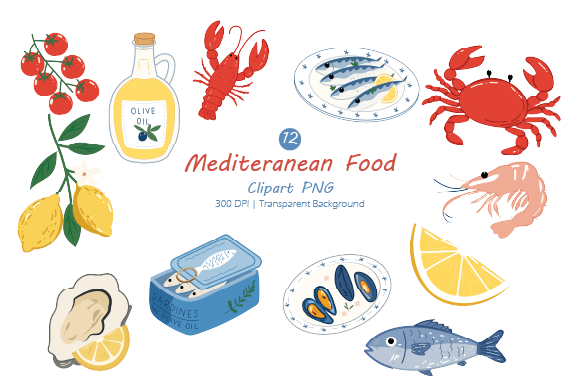
There’s a certain warmth to Mediterranean aesthetics—the sun-drenched terracotta, the deep azure of the sea, and the rustic charm of a seaside taverna. Capturing that feeling in digital design often requires more than just stock photos; it calls for a human touch. This is where high-quality design assets become invaluable. The Hand Drawn Mediterranean Food Clipart collection offers a solution that blends artistic authenticity with practical utility. It’s a set of 12 distinct, hand-painted illustrations featuring everything from succulent lobster and crab to essential kitchen staples like olive oil and lemons. The style is soft, playful, and refreshingly colorful, designed to evoke European summer vibes and seaside dining without a single word.
For designers and brand strategists, the value of such a collection lies in its versatility and the immediate personality it injects into a project. Unlike generic vector art, these illustrations carry the subtle imperfections and organic flow of a human hand. This quality is crucial for building a relatable and authentic brand identity, especially for businesses in the food, hospitality, or lifestyle sectors. The hand-drawn aesthetic communicates craftsmanship, care, and a connection to tradition—values that resonate deeply with audiences seeking genuine experiences over mass-produced ones.
Where This Clipart Truly Shines: Practical Applications
The true test of any design asset is its real-world application. This Mediterranean food clipart set is not merely decorative; it’s a functional toolkit for a wide array of projects. Its PNG format with transparent backgrounds and high 300 DPI resolution makes it ready for both digital and high-quality print work.
- Restaurant & Cafe Branding: Imagine these illustrations forming the core visual language for a coastal eatery. The lobster could become a subtle watermark on menus, the lemons and tomatoes could accent social media graphics, and the olive oil bottle could inspire the logo mark itself. This creates a cohesive, story-driven brand identity that feels inviting and lived-in.
- Packaging Design: For artisanal food producers—a maker of tinned sardines, a boutique olive oil brand, or a seafood market—these graphics offer a premium, artisanal feel. They can elevate simple labels and packaging, making products stand out on shelves with a charming, editorial design sensibility.
- Digital Projects & Social Media: In the realm of web design and social media graphics, these elements can break the monotony of clean, corporate layouts. They’re perfect for blog headers about travel or food, Instagram story templates for recipe shares, or as engaging visuals in email marketing campaigns. The whimsical style encourages higher audience engagement by adding visual delight and personality.
- Stationery & Events: From wedding invitations for a seaside ceremony to recipe cards and kitchen wall art, the clipart brings a festive, celebratory mood. The illustrations work beautifully as standalone prints or as part of a larger pattern for wrapping paper and napkins.
Making It Work: Integration and Design Strategy
Simply placing an illustration isn’t enough; thoughtful integration determines success. The key is to treat the clipart as a component of a larger typographic and visual system. Because the style is illustrative and whimsical, it pairs best with typefaces that offer contrast or complementary character.
Consider using a clean, modern sans serif font for body text to ensure readability, allowing the clipart to serve as the primary decorative element. For headlines, a handwritten font or a rustic serif font can mirror the organic feel of the illustrations, creating a harmonious font pairing. Avoid overly ornate or formal script fonts that might clash with the casual, approachable vibe of the clipart. The goal is visual hierarchy where the text is clear and the graphics enhance the narrative without overwhelming it.
When evaluating project fit, ask: Does this brand or project value warmth, tradition, and a handcrafted feel? Is the target audience likely to respond to artistic, playful visuals? For a tech startup, this might not align. For a boutique hotel, a cooking school, or a lifestyle blogger, it’s a perfect match. Always test the graphics in context. Place a lobster illustration next to your chosen headline font. Does it feel balanced? Does the color palette of the clipart harmonize with your brand colors? The refreshing, soft palette of this set is designed to be adaptable, but testing is essential for cohesion.
Finally, understand the licensing. This collection is designed as a commercial font asset, meaning it’s intended for use in client projects, merchandise, and digital products for sale. Always review the specific license terms to ensure your intended use—whether for a client’s logo design, a line of printed tea towels, or templates for sale—is covered. This clarity prevents future legal headaches and protects your professional reputation.
In a digital landscape saturated with sterile, perfect vectors, the Hand Drawn Mediterranean Food Clipart collection offers a return to artistry. It’s more than just a set of images; it’s a toolkit for building brands and projects that feel human, inviting, and rich with story. By strategically applying these assets, you can transport your audience straight to the sunny shores of the Mediterranean, one thoughtfully designed project at a time.